


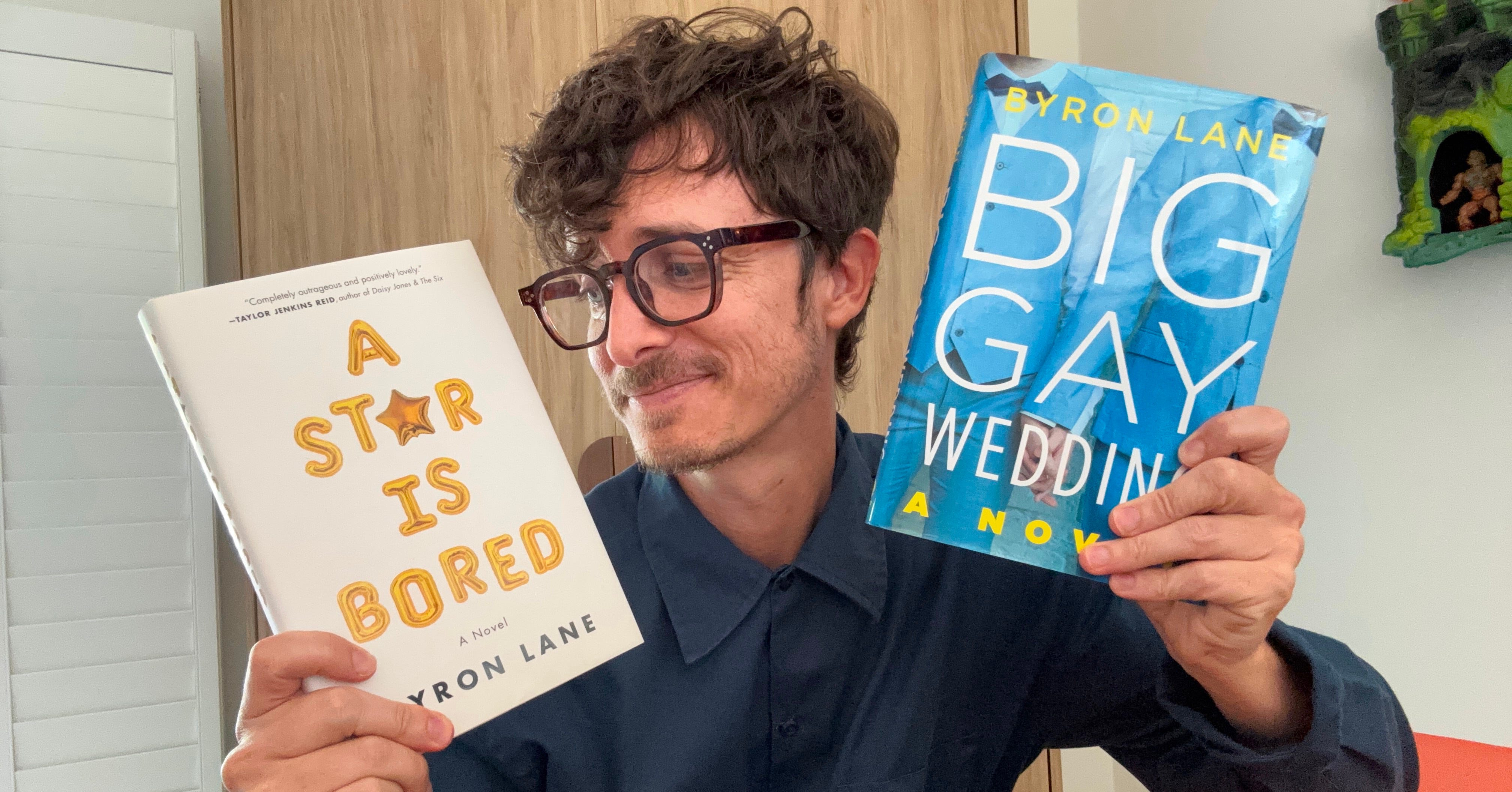
Where it started.
It was the day Carrie Fisher died.
I had been her assistant years earlier.
People I barely knew were messaging me about the news.
That night, I was crying in my bathtub and posted a note on Facebook.

Image Transcript: “Her nicknames for me were Byronius and Cock Ring. She once got a text alert from weather.com saying the northern lights were gonna be big... so that night I had to book flights and the next day we were there. When Gary had to pee on a plane she took him and a wee-wee pad into the lavatory and how they worked it out is one of life’s great mysteries. Most of my time with her involved me staring at her, wide-eyed and in blissful shock that one person could live a life so fully. We rode dog sleds in Canada, swam hot springs in Japan, pet koalas in Australia. That’s how she lived.
Extraordinary. Brilliant. Hilarious. And generous! Not every assistant job is like that. I was with her for nearly 3 years. Every moment is a treasure, inspiration. I love this woman and will forever. She has been a force in my life from the moment I met her. To this day I think of her constantly. Every memory with her is bursting with color. I feel so lucky, you guys! So! Lucky! But, you know her, too.
Because she was exactly the same in private as in public. Authentic. Honest. Real. A champion for mental health, veterans, feminism. She did anything for her family, loved her friends, embodied aliveness. I’ll miss her so, so much.”
Maybe I should write more.
My Facebook post went viral and the comments were overwhelming.
I wondered if I should write more about the job that helped me out of depression, had me laughing every day, and taught me so much about love, life, and friendship.
Carrie used to tell me, “Take your broken heart and go make art.”
So I did.
Words on a page.
I spent the next couple years writing a novel inspired by my time with Carrie, traveling the world, helping her in crisis, and her helping me back.
I wrote A Star Is Bored like Carrie often wrote her books—real-life inspiration but fictionalized. It allowed space for creativity and preserved layers of privacy.
I had a journalism background so I knew the basics of telling a good story.
But I’d never written a novel before, so I hired freelance editors to basically put me through novel-writing school: cut this chapter, stop using the word “little” so much, do you really need the uncle character.
The agent thing.
When my manuscript was polished, I boldly targeted one agent first. The one who sold The Devil Wears Prada, because I thought it was similar to my book.
I was told she wasn’t taking new clients. I was told she’d never be interested.
I emailed her anyway.
She wrote back. She agreed to read it. Signed me. Took it out to publishers.
Two wanted it. One had a better offer—a two-book deal. I was glad it was the publisher I liked best.
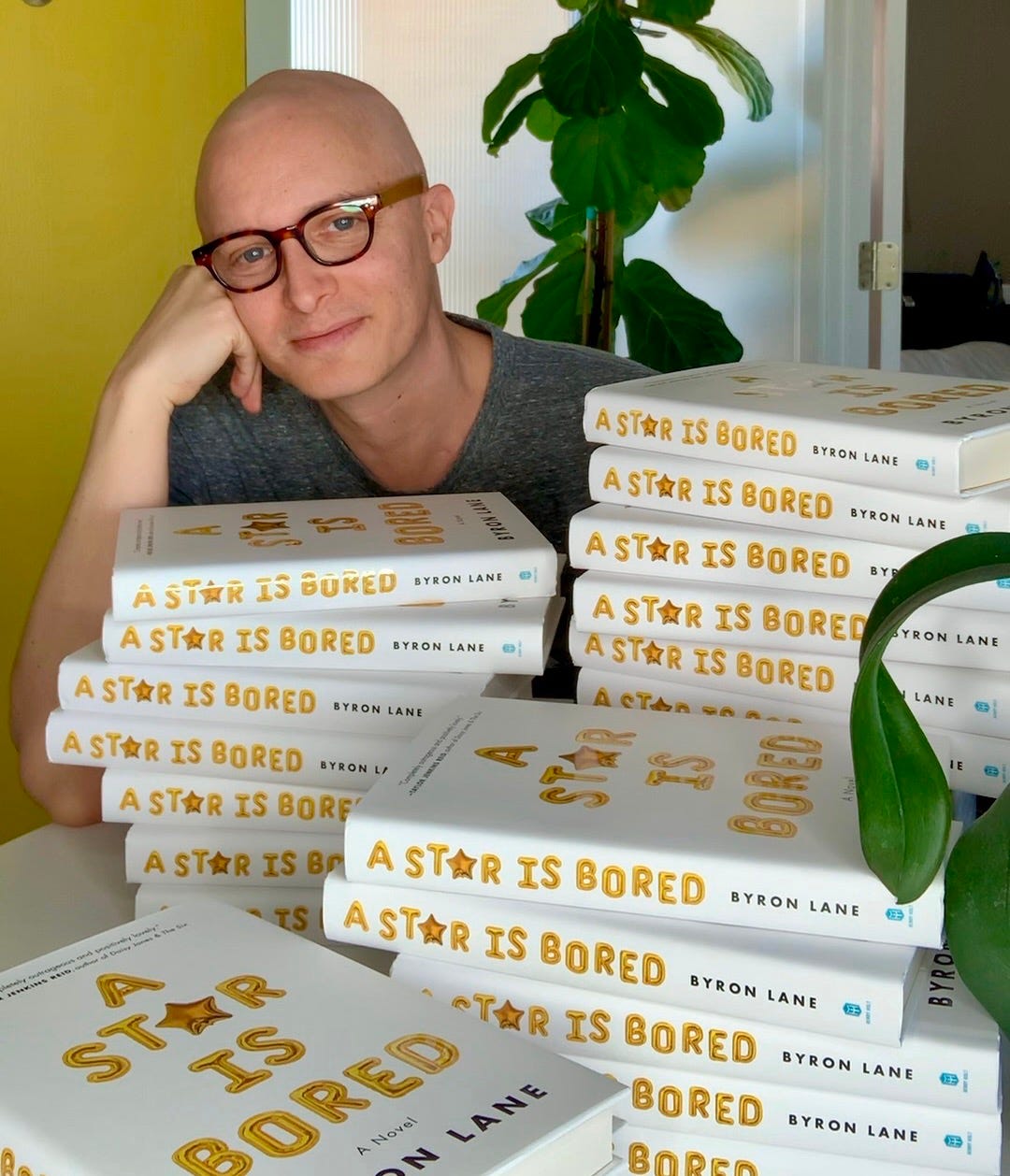
Nothing’s perfect.
My book got published in 2020. During Covid. When bookstores were closed.
And I was going through chemo for testicular cancer.
But happiness about my book helped me get through.
Getting published.
Carrie Fisher helped. I know not everyone can work for a cool and inspiring icon and write a novel based on the experience. I’m grateful. And I think she’d be proud of me.
My husband helped. He had just sold his first book and offered guidance, though in the end we have separate agents and publishers.
My journalism career helped—that’s where I learned storytelling.
Discipline helped. I was often writing instead of watching TV, going out with friends, or sleeping late on weekends.
Not giving up when it was hard helped.
Targeting the right agent helped. And not listening to people who said I was wasting time reaching out to her.
Having written a play helped. The editor who bought my book liked to market me as a playwright. (It’s another example of why making art matters. Even if maybe no one sees my plays or reads my essays, I’m learning craft and building a resume that might come in handy later.)
The emotional side of it.
Having a therapist helped.
The process of getting published is stressful. It takes time. Physical and emotional energy. It takes years to write, revise, edit, and (if fate allows) get published.
Uncertainty. Sensitive topics. Insecurity.
Having a really clear purpose helped—
My big goal was to write a story that, even if no one reads it, I can pick up when I’m 80-years-old and revisit some of my happiest memories.
I wrote that.
And getting it published was a cherry on top.
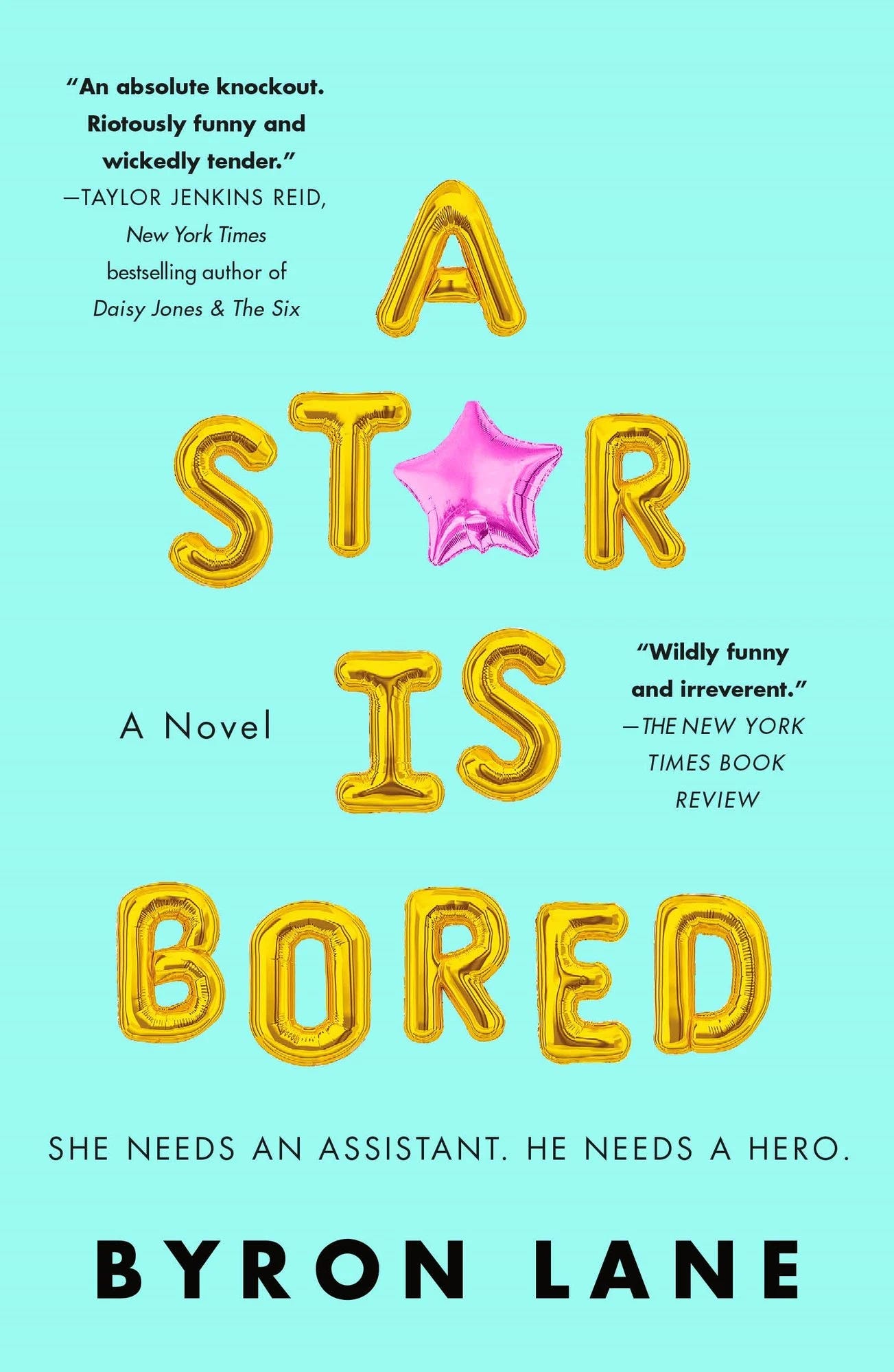


A Star is Bored is my favorite book. She would be proud of you.
And A Star Is Bored is a brilliant tribute to a treasure written by a word-artist. I cannot wait for your next